Air Force Historical Research Agency Emblem


Visiting the Agency

Potential visitors to the AFHRA are encouraged to contact the Agency to let us know when you plan to arrive and how long you plan to stay. We will attempt to accommodate all visitors. AFHRA's primary mission is to support active Department of the Air Force requirements. Due to severe resource constraints, AFHRA staff cannot conduct historical research, lineage/honors compilation, or unit tracing for non-mission-critical requests. However, we continue to accept requests from military and federal personnel conducting official research, and Veterans requiring supporting documentation for Combat Related Special Compensation (CRSC) Claims. All researchers are welcome to visit our reading room or to utilize the FOIA system to request specific, identifiable, unclassified, and/or restricted documents. If your request is in support of a CRSC claim, please state “COMBAT RELATED SPECIAL COMPENSATION ASSISTANCE” in the subject line. We will do our best to reach out as soon as possible for those specific requests.

Hours of Operation

Monday-Friday
8:30 a.m.- 4:00 p.m. (Central Time Zone)  

AFHRA
600 Chennault Circle
Maxwell AFB, AL
36112-6424

(334) 953-5697

*The AFHRA is closed on all Federal Holidays and the Reading Rooms are closed on all AETC Resiliency Days.

AFHRA Announcements

Oral History Interviews of Major General Laurence S. Kuter - Friday, January 23, 2026

From the Stacks is kicking off the new year with a look back at the voices that shaped the Department of the Air Force. ✈️📚

AFHRA’s latest blog post dives into one of its most powerful resources: oral history interviews. These firsthand accounts illuminate the decisions, challenges, and innovations that defined generations of Airmen and Guardians.

Major General Laurence S. Kuter’s interviews, from World War II through the 1970s, show how firsthand accounts reveal one Airmen's perspective behind the DAF missions, decisions, and leaders.

Together with operational documents, these interviews offer one of the clearest pictures of air and space operations—centered on the warfighter’s decisions and dilemmas.

 read more ...

Panama Series: Part Three—Training in the Tropics: USAF Operations in the Panama Canal Zone, 1945-1970s - Monday, June 9, 2025

🌎 Our regional partners make all the difference!

 ✈️In the final part of the Panama series in From the Stacks, we explore the post-World War II training environment and integration with USAF partners through the 1970s. Taking a look how the USAF tested its bombing and air-to-air tactics, this post demonstrates how critical the USAF partnership with Panama is to pathfinding defensive and offensive capabilities as well as deterring threats to the homeland.

 read more ...

New Blog Post: 8 May 1945 Operation CHOWHOUND Concludes - Monday, June 9, 2025

✈️As today's V-E celebration and remembrances continues, we also reflect on the remarkable humanitarian mission that concluded 80 years ago. Known as Operation CHOWHOUND, B-17 bombers soared through the skies not for combat but for the delivery of life-saving food to the starving Dutch population in a defining moment of compassion. 🤝

 read more ...

DAF History Spotlight: North America's Polar shield: the dew line

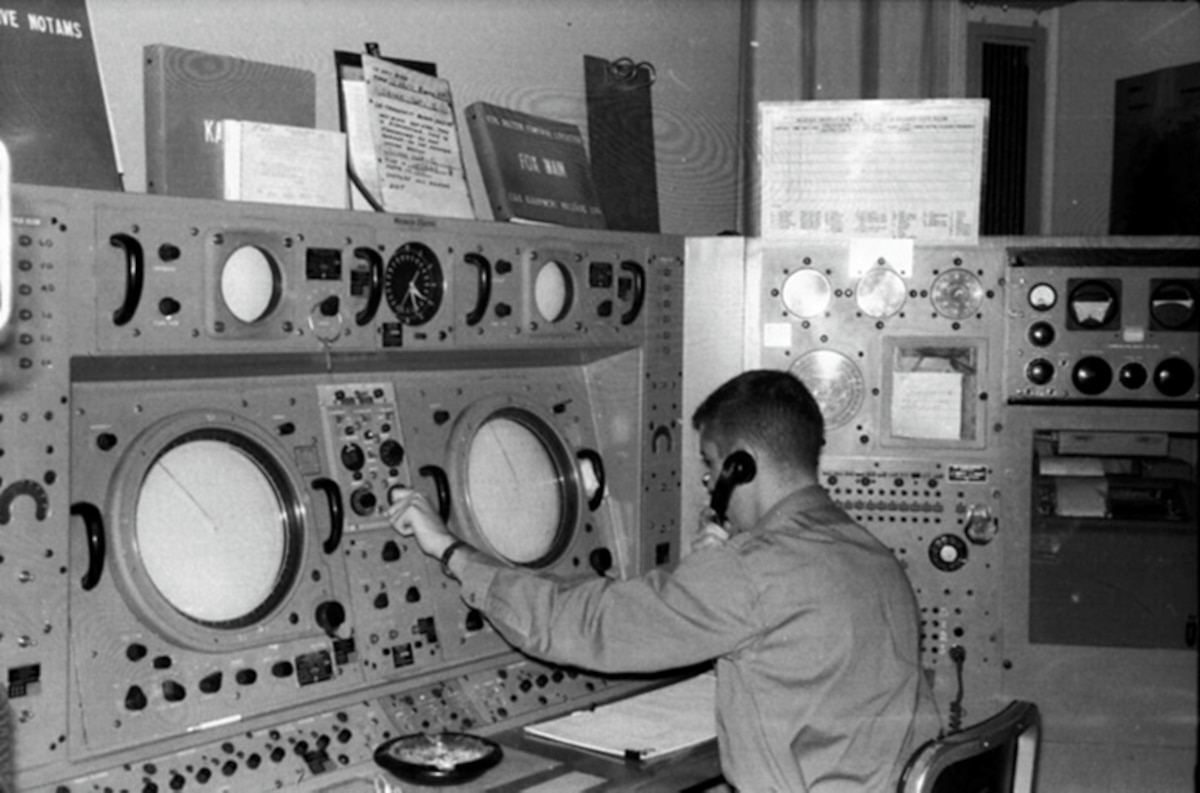
In the early years of the Cold War, the U.S. Air Force had a problem--it lacked early warning capabilities that could detect Soviet nuclear bombers flying towards North America from the North Pole. At the time, the Air Force needed three to six hours of advanced warning to disperse Strategic Air Command bombers, launch air-defense interceptors, and implement civil defense measures. The issue was brought to the Massachusetts Institute of Technology Summer Study Group in 1952, where a team of 20 engineers and scientists examined US radar shortfalls and ultimately recommended the construction of Distant Early Waring Line Radars that would stretch across the 69th parallel, from the northwest corner of Alaska, to Baffin Island on the east coast of Canada. An early warning system employed at this latitude would give the Air Force hours to prepare for nuclear strikes, but quickly building this complex line of automated radar systems across the desolate Arctic landscape was easier said than done. Click the link below to read the full article...

North America’s Polar Shield: The DEW Line

DAF History & Heritage News From the Field


The site was last reviewed for broken links on 30 November 2025.